A Cleaner Car Without Rearranging Your Day
Keeping a vehicle clean in Seattle, Washington is a little different from car care in a dry climate. Rain, road spray, tree sap, pollen, construction dust, and damp mats can make a recently washed vehicle look neglected again within days. If you park outside in neighborhoods such as Ballard, West Seattle, Capitol Hill, or Beacon Hill, you have probably seen how quickly grime collects around door sills, wheels, and lower body panels.
Mobile auto detailing solves part of that problem by bringing professional care to your home, workplace, or other convenient location. At Clean & Fresh Auto Spa, we have spent more than 20 years in business helping local drivers protect and refresh their vehicles. Our team provides mobile auto detailing, 100% hand washing, deionized water detailing, interior and exterior detailing, paint correction, ceramic coating, clay bar treatment, waxing, and paint sealant.
The best results do not come from simply washing more often. They come from using the right process, tools, water, drying technique, and protection for Seattle conditions. The tips below explain how to care for your vehicle between professional appointments and how to know when it needs more than a quick wash.
Seattle Weather Changes the Detailing Strategy
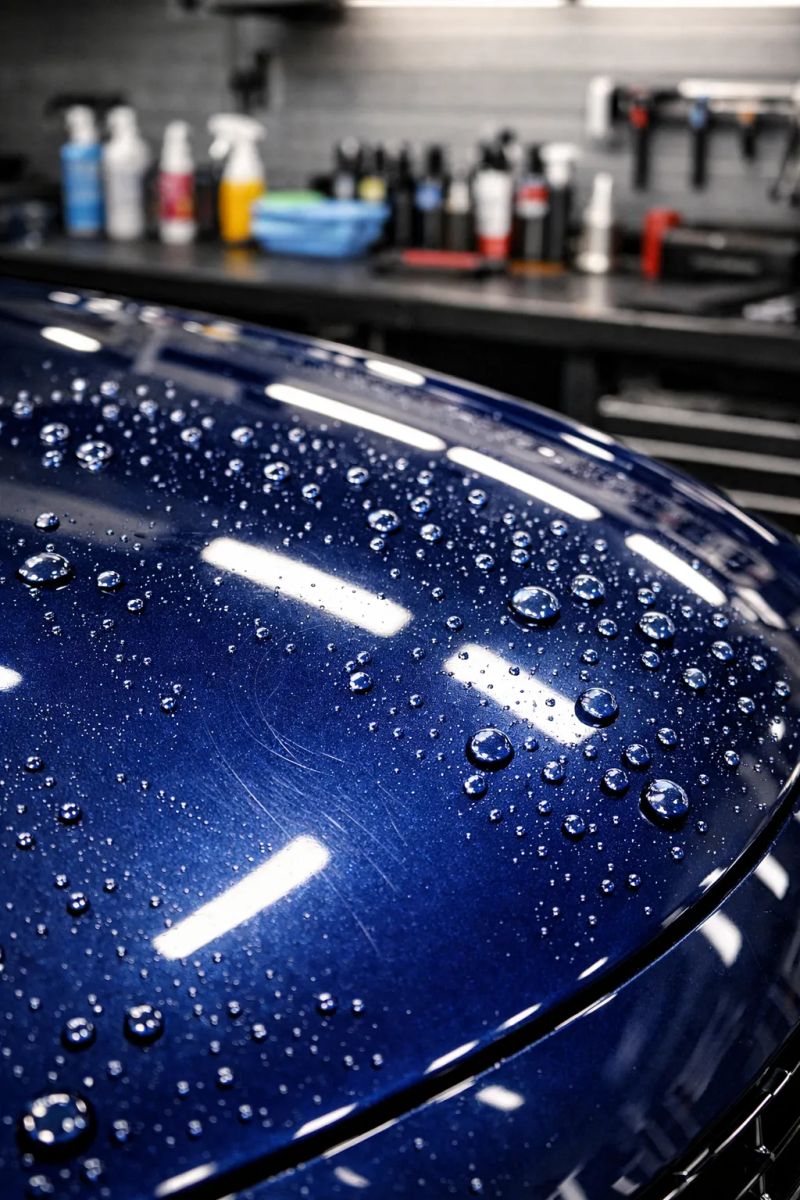
Rain itself is not usually what damages automotive paint. The bigger concern is what rain leaves behind as it dries: minerals, airborne pollution, pollen, and road film. Seattle’s frequent wet weather also keeps dirt damp against the paint and creates ideal conditions for mildew odors inside the cabin when wet shoes, umbrellas, and floor mats are left untreated.
A safe maintenance routine starts with removing loose grit before touching the paint. Use a gentle rinse or professional pre-rinse, then wash from the top down with a clean microfiber mitt. Avoid circular scrubbing, household dish soap, rough brushes, and automatic car washes with worn equipment. Those shortcuts can strip protection or create fine swirls that become increasingly visible under sunlight.
For a more reliable clean, our mobile detailing team uses hand-washing methods and deionized water detailing. Deionized water contains far fewer minerals than ordinary tap water, which helps reduce spotting when weather or working conditions make immediate drying difficult.
Mobile Auto Detailing Tips for Seattle, Washington
A good maintenance plan depends on how you use and store your vehicle. A commuter parked outside near downtown Seattle may need different care than a lightly used vehicle kept in a garage. In our 20 years of experience, the following habits make the greatest difference:
- Remove bird droppings and bug residue quickly. These contaminants can be acidic and may etch clear coat if they sit in direct sunlight. Lay a damp microfiber towel over the spot for a few minutes, then gently lift the residue instead of rubbing it dry.
- Clean door jambs and hatch openings regularly. Road film and moisture collect in these areas, especially during wet months. Wipe them with a dedicated microfiber towel after washing and check the lower rubber seals for trapped dirt.
- Use separate towels for paint and wheels. Brake dust contains abrasive particles. Towels used on wheels should never return to painted panels, glass, or interior surfaces.
- Do not wipe a dusty dry car. Dry dusting pushes grit across the clear coat and can cause micro-scratches. If the vehicle is dusty, rinse it or schedule a professional exterior detail.
- Ventilate the interior after wet trips. Remove wet umbrellas and floor mats when possible. Persistent dampness can lead to musty odors and may eventually contribute to mildew.
How to Wash Your Car Without Creating Swirls
If you wash at home, preparation matters more than speed. Work in shade whenever possible, avoid washing a hot panel, and keep a second bucket or rinse method available for your mitt. Seattle’s cool temperatures can make drying slower, but that does not make aggressive wiping acceptable.
Use this simple process:
- Rinse the vehicle thoroughly. Start with wheels and lower panels, where the heaviest grit accumulates, but keep wheel tools separate from paint tools.
- Clean the wheels first. Wheel surfaces are usually the dirtiest and can spread brake dust if saved for last. Use a pH-appropriate wheel cleaner and a soft brush suited to the wheel finish.
- Wash from top to bottom. Clean the roof, glass, hood, upper doors, and then the lower panels. Rinse the mitt frequently and replace it if it falls on the ground.
- Rinse panel by panel. Do not let soap dry on the surface. Pay attention to mirrors, trim, emblems, and gaps where suds can hide.
- Dry with clean microfiber towels or filtered air. Blot or glide gently rather than pressing hard. A clean towel is essential; one that has picked up grit can scratch.
For Seattle vehicles with existing water spots, rough-feeling paint, or bonded contamination, a normal wash may not be enough. Our exterior detailing service can include a clay bar treatment when needed, followed by waxing or paint sealant to improve gloss and make future cleaning easier.
Interior Detailing Tips for Damp Seattle Months
Interior cleanliness affects comfort, visibility, and the long-term condition of upholstery. Moisture tracked in from sidewalks and parking lots often collects beneath floor mats, while coffee, food, sunscreen, and pet hair become more difficult to remove when they are left for weeks.
For routine care:
- Vacuum slowly around seat rails, seams, pedals, and cargo-area edges instead of making one quick pass.
- Use a soft detailing brush to loosen dust from vents, buttons, and textured plastic before vacuuming.
- Blot liquid spills immediately with a clean towel. Rubbing can spread the stain and drive it deeper into fabric.
- Clean glass with a low-residue product and a dedicated towel so glare does not reduce visibility in rainy nighttime driving.
- Avoid soaking leather, electronics, headliners, and seat controls. Excess moisture can create odor or damage electrical components.
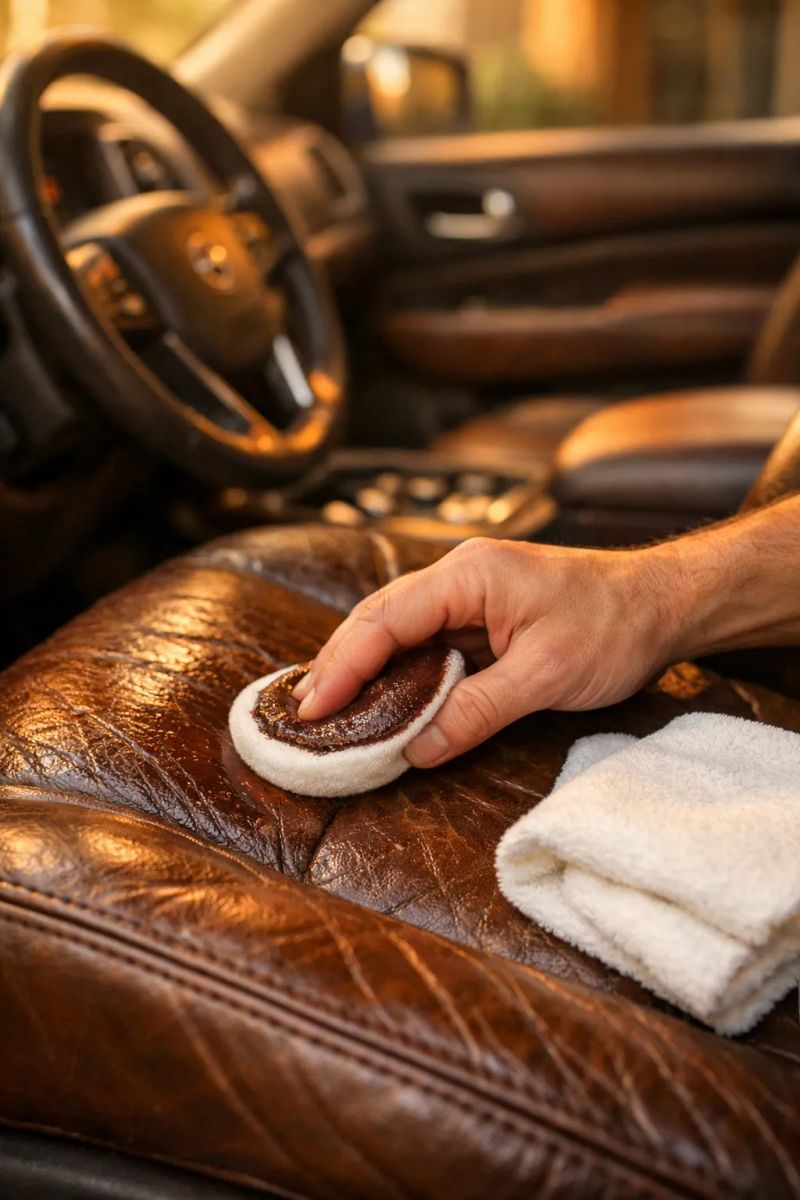
If your vehicle has a persistent odor, the source needs to be addressed rather than covered with fragrance. Our interior detailing options focus on extraction, careful surface cleaning, and the specific material in your vehicle. We are especially attentive to floor mats, fabric seams, pet hair, and damp areas that are common concerns for Seattle drivers.
When Your Car Needs Protection, Not Just Cleaning
A clean surface is the starting point for paint protection. If paint feels gritty after washing, bonded contamination may require a clay bar treatment. If the finish has swirls, oxidation, or dull patches, paint correction may be appropriate before applying wax, paint sealant, or ceramic coating.
Here is a practical way to choose:
- Wax: A good option for short-term gloss and water behavior, generally renewed every few months depending on storage and driving conditions.
- Paint sealant: Provides longer-lasting synthetic protection and is useful for drivers who want easier maintenance without committing to a ceramic coating.
- Ceramic coating: Creates a durable, slick protective layer when the paint is properly prepared. It does not make a vehicle scratch-proof, but it can improve resistance to contamination and simplify washing.
- Paint correction: Reduces suitable surface defects through controlled polishing. It is not the same as simply applying a product over scratches.
In our 20 years of experience, the most important protection mistake is applying a coating or sealant over neglected paint. The surface should be washed, chemically decontaminated, inspected, and corrected as appropriate first. Protection lasts longer when the vehicle is maintained with gentle washing rather than abrasive brushes or automatic tunnel equipment.
A Professional Detail Is About the Process
A mobile detailer should do more than arrive with a bucket and make the vehicle look wet. Ask what happens before the wash, how wheels and paint tools are separated, how the vehicle will be dried, and whether the recommended service matches the condition of your finish.
At Clean & Fresh Auto Spa, we tailor the work to the vehicle and the location. We serve the local Seattle area, including drivers in Ballard, Queen Anne, West Seattle, Capitol Hill, and nearby communities. Our business has earned 5-star ratings across 4 Google reviews, and we are glad to explain the scope, expected timeframe, and care requirements before beginning.
We also provide current business and licensing information upon request so customers can verify our credentials directly. For a straightforward estimate and scheduling information, contact Clean & Fresh Auto Spa and tell us about your vehicle, parking setup, and the result you want.
Frequently Asked Questions
Can mobile detailing be done if it is raining in Seattle?
Often, yes, depending on the service, workspace, and intensity of the weather. A covered area is helpful for paint correction, coatings, and some interior work, while our hand-washing and deionized water process can reduce spotting concerns when conditions are damp.
How often should I have my car detailed in Seattle?
Many Seattle drivers benefit from professional detailing every three to six months, with more frequent maintenance for vehicles parked outdoors, used for commuting, or carrying pets and children. Regular gentle washing between appointments helps preserve the results.
Will detailing remove scratches from my car?
Light swirls and some shallow defects may improve through paint correction, but deep scratches that reach the primer or metal usually require body-shop repair. We inspect the finish first and explain what can realistically be improved before recommending a service.
Is deionized water detailing worth it?
It can be especially useful in Seattle when drying conditions are unpredictable or when minimizing mineral spotting is a priority. Deionized water is not a substitute for proper washing, but it supports a cleaner finish and a more controlled mobile detailing process.
How long does a mobile detail take?
A maintenance detail may take about two to four hours, while a heavily soiled interior, paint correction, or ceramic coating preparation can take substantially longer. Clean & Fresh Auto Spa confirms the expected timeframe after learning your vehicle’s size, condition, and service needs.
Ready to Make Your Seattle Vehicle Easier to Maintain?
Contact Clean & Fresh Auto Spa today.